Welcome, Idaho K-8 Science Reviewers!
Thank you for taking the time to review Amplify Science. On this site, you’ll find all the resources you need to learn more about this engaging and robust NGSS program. Below, you will also have the opportunity experience our program firsthand with a demo account to access the digital platform.
Amplify Science for grades K–8 has been rated all-green by EdReports. Read the review on EdReports.

Overview
With Amplify Science, students don’t just passively learn about science concepts. Instead, they take on the roles of scientists and engineers to actively investigate and make sense of real-world phenomena. They do this through a blend of cohesive and compelling storylines, hands-on investigations, collaborative discussions, literacy-rich activities, and interactive digital tools.
Listen to these educators share how the program empowers students to think, read, write, and argue like real scientists and engineers every day.
Grades K–5
Grades 6–8
Amplify Science Grades K-5 Tour for Idaho Educators
Amplify Science Grades 6-8 Tour for Idaho Evaluators

Program structure
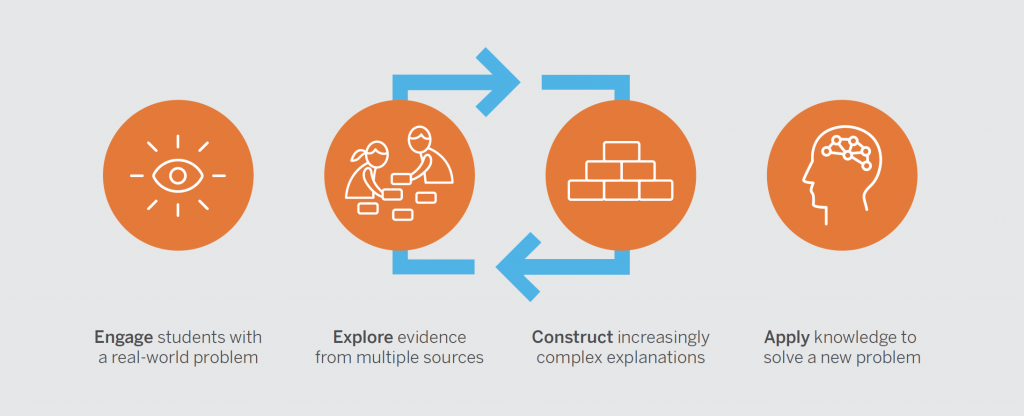
Our cyclical lesson design ensures students receive multiple exposures to concepts through a variety of modalities. As they progress through the lessons within a unit, students build and deepen their understanding, increasing their ability to develop and refine complex explanations of the unit’s phenomenon. It’s this proven program structure and lesson design that enables Amplify Science to teach less, but achieve more.
Rather than asking teachers to wade through unnecessary content, we designed our program to address 100 percent of the NGSS and Idaho Standards in fewer days than other programs:
- In just 120 lessons at grades 6–8
- In just 66 lessons at grades K–2
- In just 88 lessons at grades 3–5

Unit types
Each unit delivers three-dimensional learning experiences and engages students in gathering evidence from a rich collection of sources, while also emphasizing a particular science and engineering practice.


Investigation units
Investigation units focus on the process of strategically developing investigations and gathering data to answer questions. Students are first asked to consider questions about what happens in the natural world and why, and are then involved in designing and conducting investigations that produce data to help answer those questions.

Modeling units
Modeling units provide extra support to students engaging in the practice of modeling. Students use physical models, investigate with computer models, and create their own diagrams to help them visualize what might be happening on the nanoscale.

Engineering Design units
Engineering design units provide opportunities for students to solve complex problems by applying science principles to the design of functional solutions, and iteratively testing those solutions to determine how well they meet preset criteria.

Argumentation units
Argumentation units are introduced at grade 3 and provide students with regular opportunities to explore and discuss available evidence, time and support to consider how evidence may be leveraged in support of claims, and independence that increases as they mount written arguments in support of their claims.
Launch units
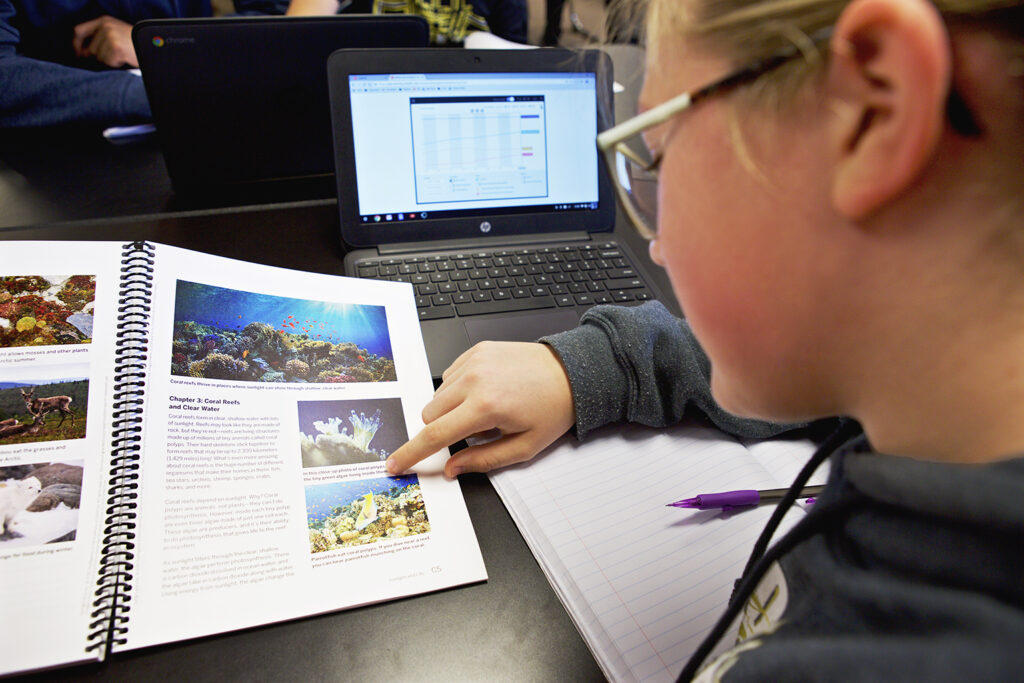
Launch units are the first units taught in each year of Amplify Science. The goal of the Launch unit is to introduce students to norms, routines, and practices that will be built on throughout the year, including argumentation, active reading, and using the program’s technology. For example, rather than taking the time to explain the process of active reading in every unit in a given year, it is explained thoroughly in the Launch unit, thereby preparing students to read actively in all subsequent units.

Core units
Core units establish the context of the unit by introducing students to a real-world problem. As students move through lessons in a Core unit, they figure out the unit’s anchoring phenomenon, gain an understanding of the unit’s disciplinary core ideas and science and engineering practices, and make linkages across topics through the crosscutting concepts. Each Core unit culminates with a Science Seminar and final writing activity.

Engineering Internship units
Engineering Internship units invite students to design solutions for real-world problems as interns for a fictional company called Futura. Students figure out how to help those in need, from tsunami victims in Sri Lanka to premature babies, through the application of engineering practices. In the process, they apply and deepen their learning from Core units.
Idaho Science Standards Alignment
Amplify Science was built from the ground up to fully embrace the instructional shifts outlined in A Framework for K-12 Science Education (2012), the same framework on which Idaho Science Content Standards were founded. Most grade levels’ respective set of Amplify Science units therefore fully address the necessary Idaho Science Content Standards (see correlation). Grade 1 teachers should plan to also use the companion mini-lesson provided below to achieve full standards coverage for their grade.
Grade 1 Companion
Standard: 1-LS-1.3 Use classification supported by evidence to differentiate between living and non-living things.
Recommended placement: Following Lesson 1.1 of the Animal and Plant Defenses unit.
Resources: Classroom Slides
Science (Middle School Physical Science) Evaluation Form
Science (Middle School Life Science) Evaluation Form
Science Evaluation Form Middle School Earth and Space Science


Needs of Plants and Animals
Domains: Life Science, Earth and Space Science, Engineering Design
Unit type: Investigation
Student role: Scientists
Phenomenon: There are no monarch caterpillars in the Mariposa Grove community garden since vegetables were planted.

Pushes and Pulls
Domains: Physical Science, Engineering Design
Unit type: Engineering design
Student role: Pinball engineers
Phenomenon: Pinball machines allow people to control the direction and strength of forces on a ball.

Sunlight and Weather
Domains: Earth and Space Science, Life Science, Engineering Design
Unit type: Modeling
Student role: Weather scientists
Phenomenon: Students at Carver Elementary School are too cold during morning recess, while students at Woodland Elementary School are too hot during afternoon recess.

Animal and Plant Defenses
Domain: Life Science
Unit type: Modeling
Student role: Marine scientists
Phenomenon: Spruce the Sea Turtle lives in an aquarium and will soon be released back into the ocean, where she will survive despite ocean predators.

Light and Sound
Domains: Physical Science, Engineering Design
Unit type: Engineering design
Student role: Light and sound engineers
Phenomenon: A puppet show company uses light and sound to depict realistic scenes in puppet shows.

Spinning Earth
Domain: Earth and Space Science
Unit type: Investigation
Student role: Sky scientists
Phenomenon: The sky looks different to Sai and his grandma when they talk on the phone.

Plant and Animal Relationships
Domains: Life Science, Engineering Design
Unit type: Investigation
Student role: Plant scientists
Phenomenon: No new chalta trees are growing in the fictional Bengal Tiger Reserve in India.

Properties of Materials
Domains: Physical Science, Engineering Design
Unit type: Engineering design
Student role: Glue engineers
Phenomenon: Different glue recipes result in glues that have different properties.

Changing Landforms
Domain: Earth and Space Science
Unit type: Modeling
Student role: Geologists
Phenomenon: The cliff that Oceanside Recreation Center is situated on appears to be receding over time.

Balancing Forces
Domain: Physical Science
Unit type: Modeling
Student role: Engineers
Phenomenon: The town of Faraday is getting a new train that floats above its tracks.

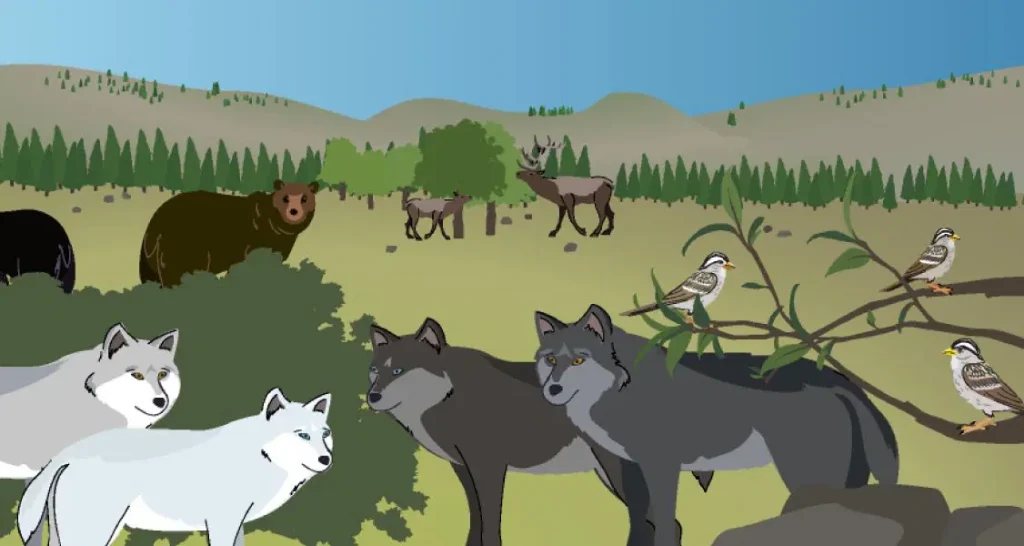
Inheritance and Traits
strong>Domain: Life Science
Unit type: Investigation
Student role: Wildlife biologists
Phenomenon: An adopted wolf in Graystone National Park (“Wolf 44”) has some traits that appear similar to one wolf pack in the park and other traits that appear to be similar to a different wolf pack.

Environments and Survival
Domains: Life Science, Engineering Design
Unit type: Engineering design
Student role: Biomimicry engineers
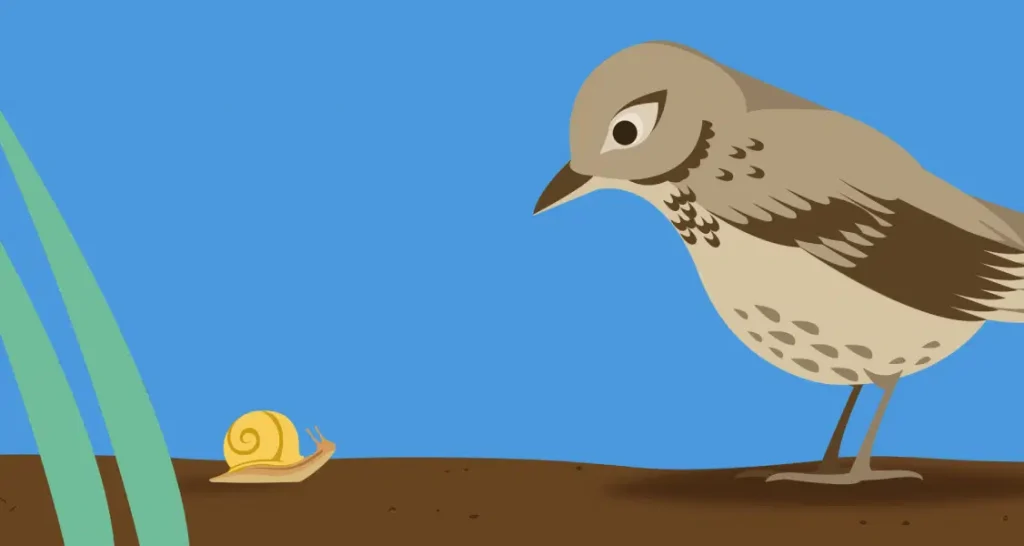
Phenomenon: Over the last 10 years, a population of grove snails has changed: The number of grove snails with yellow shells has decreased, while the number of snails with banded shells has increased.

Weather and Climate
Domains: Earth and Space Science, Engineering Design
Unit type: Argumentation
Student role: Meteorologists
Phenomenon: Three different islands, each a contender for becoming an Orangutan reserve, experience different weather patterns.

Energy Conversions
Domains: Physical Science, Earth and Space Science, Engineering Design
Unit type: Engineering design
Student role: System engineers
Phenomenon: The fictional town of Ergstown experiences frequent blackouts.

Vision and Light
Domain: Physical Science, Life Science, Engineering Design
Unit type: Investigation
Student role: Conservation biologists
Phenomenon: The population of Tokay geckos in a rain forest in the Philippines has decreased since the installation of new highway lights.

Waves, Energy, and Information
Domains: Physical Science, Life Science, Earth and Space Science, Engineering Design
Unit type: Modeling
Student role: Marine scientists
Phenomenon: Mother dolphins in the fictional Blue Bay National Park seem to be communicating with their calves when they are separated at a distance underwater.

Patterns of Earth and Sky
Domains: Physical Science, Earth and Space Science
Unit type: Investigation
Student role: Astronomers
Phenomenon: An ancient artifact depicts what we see in the sky at different times — the sun during the daytime and different stars during the nighttime — but it is missing a piece.

Earth’s Features
Domain: Earth and Space Science
Unit type: Argumentation
Student role: Geologists
Phenomenon: A mysterious fossil is discovered in a canyon within the fictional Desert Rocks National Park.

Modeling Matter
Domain: Physical Science
Unit type: Modeling
Student role: Food scientists
Phenomenon: Chromatography is a process for separating mixtures. Some solids dissolve in a salad dressing while others do not. Oil and vinegar appear to separate when mixed in a salad dressing.

The Earth System
Domains: Earth and Space Science, Physical Science, Engineering Design
Unit type: Engineering Design
Student role: Water resource engineers
Phenomenon: East Ferris, a city on one side of the fictional Ferris Island, is experiencing a water shortage, while West Ferris is not.

Ecosystem Restoration
Domains:Physical Science, Life Science, Earth and Space Science, Engineering Design
Unit type: Argumentation
Student role: Ecologists
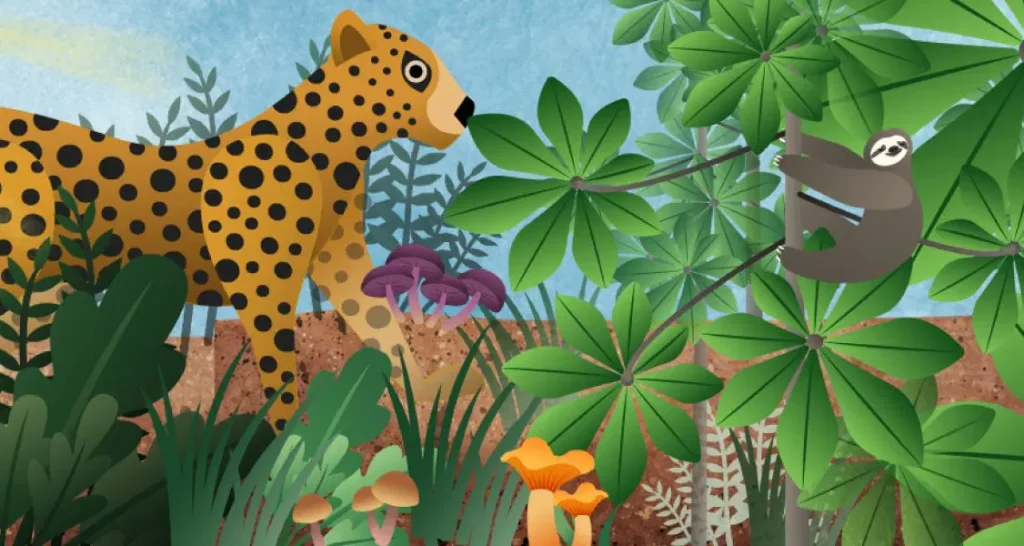
Phenomenon: The jaguars, sloths, and cecropia trees in a reforested section of a Costa Rican rain forest are not growing and thriving.

Geology on Mars
Domain: Earth and Space Science
Unit type: Launch
Student role: Planetary geologists
Phenomenon: Analyzing data about landforms on Mars can provide evidence that Mars may have once been habitable.

Earth, Moon, and Sun
Domains: Earth and Space Science, Physical Science
Unit type: Core
Student role: Astronomers
Phenomenon: An astrophotographer can only take pictures of specific features on the Moon at certain times.

Thermal Energy
Domain: Physical Science
Unit type: Core
Student role: Thermal scientists
Phenomenon: One of two proposed heating systems for Riverdale School will best heat the school.

Ocean, Atmosphere, and Climate
Domains: Earth and Space Science, Physical Science
Unit type: Core
Student role: Climatologists
Phenomenon: During El Niño years, the air temperature in Christchurch, New Zealand is cooler than usual.

Weather Patterns
Domains: Earth and Space Science, Physical Science
Unit type: Core
Student role: Forensic meteorologists
Phenomenon: In recent years, rainstorms in Galetown have been unusually severe.

Populations and Resources
Domains: Life Science, Earth and Space Science
Unit type: Core
Student role: Biologists
Phenomenon: The size of the moon jelly population in Glacier Sea has increased.

Matter and Energy in Ecosystems
Domains: Life Science, Earth and Space Science, Physical Science
Unit type: Core
Student role: Ecologists
Phenomenon: The biodome ecosystem has collapsed.

Traits and Reproduction
Domain: Life Science
Unit type: Core
Student role: Biomedical students
Phenomenon: Darwin’s bark spider offspring have different silk flexibility traits, even though they have the same parents.

Microbiome
Domain: Life Science
Unit type: Launch
Student role: Microbiological researchers
Phenomenon: The presence of 100 trillion microorganisms living on and in the human body may keep the body healthy.

Metabolism
Domain: Life Science
Unit type: Core
Student role: Medical researchers
Phenomenon: Elisa, a young patient, feels tired all the time.

Force and Motion
Domain: Physical Science
Unit type: Core
Student role: Physicists
Phenomenon: The asteroid sample-collecting pod failed to dock at the space station as planned.

Force and Motion Engineering Internship
Domains: Engineering Design, Physical Science
Unit type: Engineering internship
Student role: Mechanical engineering interns
Phenomenon: Designing emergency supply delivery pods with different structures can maintain the integrity of the supply pods and their contents.

Plate Motion
Domain: Earth and Space Science
Unit type: Core
Student role: Geologists
Phenomenon: Mesosaurus fossils have been found on continents separated by thousands of kilometers of ocean, even though the Mesosaurus species once lived all together.

Rock Transformations
Domain: Earth and Space Science
Unit type: Core
Student role: Geologists
Phenomenon: Rock samples from the Great Plains and from the Rocky Mountains — regions hundreds of miles apart — look very different, but have surprisingly similar mineral compositions.

Natural Selection
Domains: Life Science, Earth and Space Science
Unit type: Core
Student role: Biologists
Phenomenon: The newt population in Oregon State Park has become more poisonous over time.

Evolutionary History
Domains: Life Science, Earth and Space Science
Unit type: Core
Student role: Paleontologists
Phenomenon: A mystery fossil at the Natural History Museum has similarities with both wolves and whales.

Harnessing Human Energy
Domains: Physical Science, Earth and Space Science, Engineering Design
Unit type: Launch
Student role: Energy scientists
Phenomenon: Rescue workers can use their own human kinetic energy to power the electrical devices they use during rescue missions.

Phase Change
Domains: Physical Science, Earth and Space Science
Unit type: Core
Student role: Chemists
Phenomenon: A methane lake on Titan no longer appears in images taken by a space probe two years apart.

Phase Change Engineering Internship
Domains: Engineering Design, Physical Science
Unit type: Engineering internship
Student role: Chemical engineering interns
Phenomenon: Designing portable baby incubators with different combinations of phase change materials can keep babies at a healthy temperature.

Chemical Reactions
Domains: Physical Science, Life Science, Earth and Space Science
Unit type: Core
Student role: Forensic chemists
Phenomenon: A mysterious brown substance has been detected in the tap water of Westfield.

Magnetic Fields
Domain: Physical Science
Unit type: Core
Student role: Physicists
Phenomenon: During a test launch, a spacecraft traveled much faster than expected.

Light Waves
Domains: Physical Science, Life Science, Earth and Space Science
Unit type: Core
Student role: Spectroscopists
Phenomenon: The rate of skin cancer is higher in Australia than in other parts of the world.

Earth’s Changing Climate
Domains: Earth and Space Science, Life Science
Unit type: Core
Student role: Climatologists
Phenomenon: The ice on Earth’s surface is melting.

Earth’s Changing Climate Engineering Internship
Domains: Earth and Space Science, Engineering Design
Unit type: Engineering internship
Student role: Civil engineers
Phenomenon: Designing rooftops with different modifications can reduce a city’s impact on climate change.
Access program
In addition to the grade-level sample boxes that we provided, we’ve also created custom demo accounts just for Idaho reviewers.
To access the digital portion of the program, click the link below, select “Log In with Amplify,” and then refer to the Start here digital access flyer for your personalized login credentials.

Tutorial videos
Check out these videos for support on how to navigate the Amplify Science curriculum website, teacher’s guide, materials kits, and more!
Resources


Welcome, Ohio educators!
Designed from the ground up to teach students to think, read, write, and argue like real scientists and engineers, Amplify Science combines literacy-rich activities with hands-on learning and digital tools to engage students in exploring compelling phenomena in every unit.

Overview
Developed by UC Berkeley’s Lawrence Hall of Science, our program features:
- A phenomena-based approach where students construct a more complex understanding of each unit’s anchor phenomenon.
- A blend of cohesive storylines, hands-on investigations, rich discussions, literacy-rich activities, and digital tools.
- Newly crafted units, chapters, lessons, and activities designed to deliver true 3-dimensional learning.
- An instructional design that supports all learners in accessing all standards.
Hear what these educators have to say about the program. >
Approach to literacy

[Video] Literacy in action (K–5)
Watch students use scientific text to obtain information and practice reading skills, while using writing prompts to create arguments using evidence.

[Video] Literacy in action (6–8)
Watch students use scientific text to obtain information and practice reading skills, while using writing prompts to create arguments using evidence.

Literacy-rich science instruction (K–5)
Immersing young students in reading, writing, and arguing like real scientists and engineers.

Elementary school
Get started by watching this class share what they’re figuring out with Amplify Science. >
In Grades K–3 we recommend the national grade level units of Amplify Science to provide students with the appropriate grade level literacy and background knowledge. Individual units are available to purchase.
When you’re ready:
- Find a summary of each unit below including each unit’s student role and anchor phenomenon.
- Download some helpful resources to support your review.
- Explore the digital Teacher’s Guide by clicking the orange “Review now” button.

Unit 1
Needs of Plants and Animals
Student role: Scientists
Phenomenon: There are no monarch caterpillars in the Mariposa Grove community garden ever since vegetables were planted.

Unit 2
Pushes and Pulls
Student role: Pinball engineers
Phenomenon: Pinball machines allow people to control the direction and strength of forces on a ball.

Unit 3
Sunlight and Weather
Student role: Weather scientists
Phenomenon: Students at one school are too cold during morning recess, while students at another are too hot during afternoon recess.

Unit 1
Animal and Plant Defenses
Student role: Marine scientists
Phenomenon: Spruce the Sea Turtle will soon be released back into the ocean, where she will survive despite predators.

Unit 2
Light and Sound
Student role: Light and sound engineers
Phenomenon: A puppet show company uses light and sound to depict realistic scenes in puppet shows.

Unit 3
Spinning Earth
Student role: Sky scientists
Phenomenon: The sky looks different to Sai and his grandma when they talk on the phone at night.

Unit 1
Plant and Animal Relationships
Student role: Plant scientists
Phenomenon: No new chalta trees are growing in the fictional Bengal Tiger Reserve in India.
Unit 2
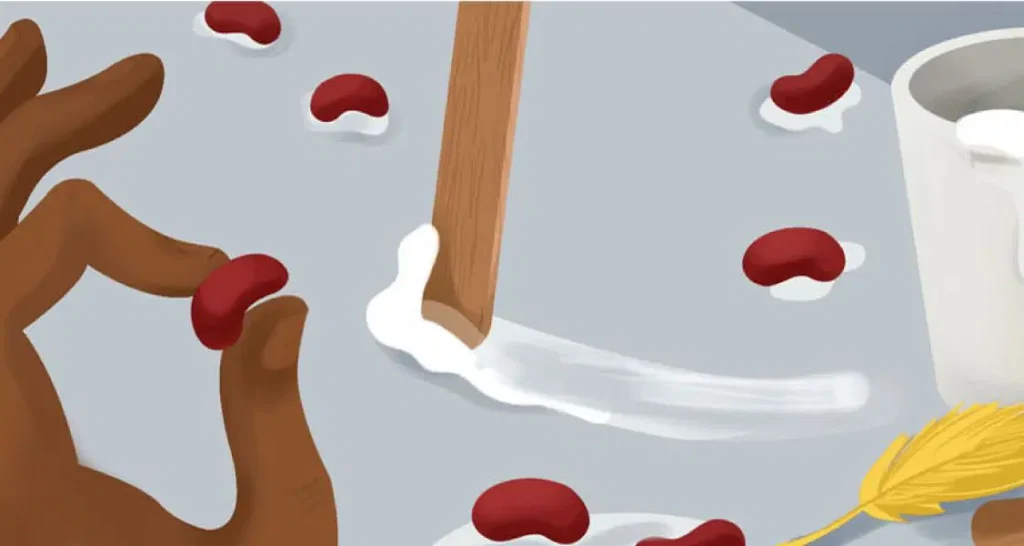
Properties of Materials
Student role: Glue engineers
Phenomenon: Different glue recipes result in glues that have different properties.
Unit 3
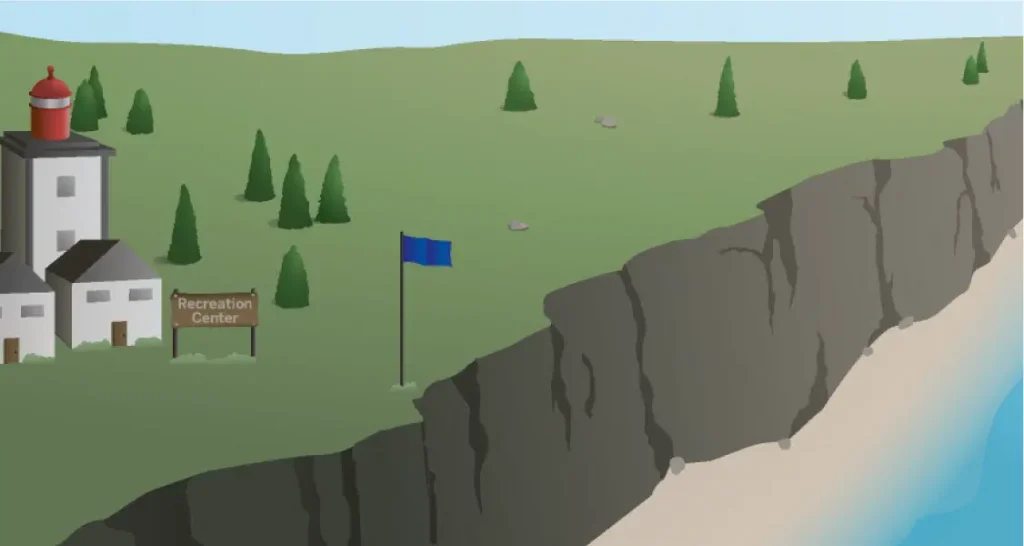
Changing Landforms
Student role: Geologists
Phenomenon: The cliff on which Oceanside Recreation Center is situated appears to be receding.
Unit 1
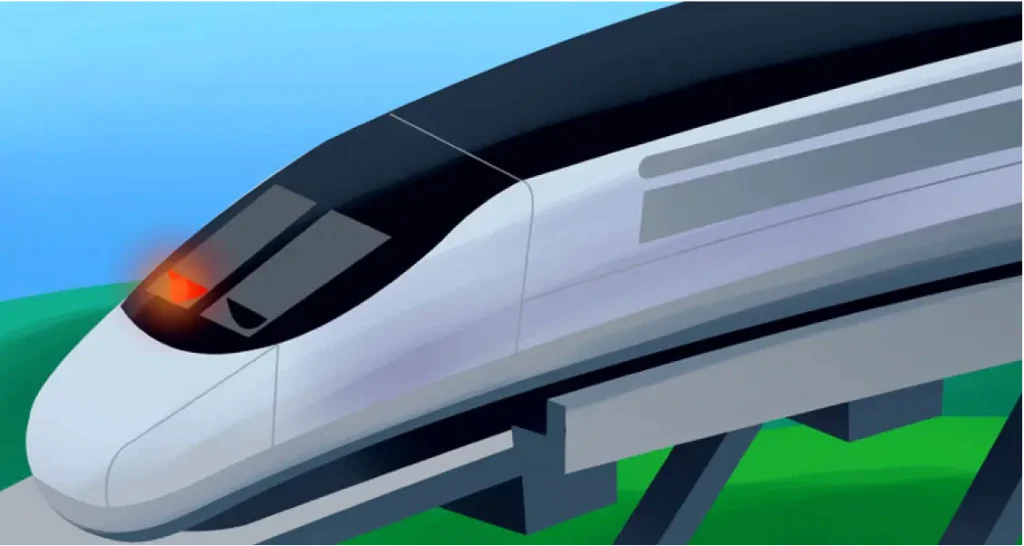
Balancing Forces
Student role: Engineers
Phenomenon: The fictional town of Faraday is getting a new train. Unlike typical trains, this one floats, which is causing some concern among the town’s citizens.
Unit 2
Inheritance and Traits
Student role: Wildlife biologists
Phenomenon: An adopted wolf in Graystone National Park has some traits in common with one wolf pack in the park and other traits in common with a different pack.
Unit 3
Environments and Survival
Student role: Biomimicry engineers
Phenomenon: Over 10 years, a population of grove snails has changed. Populations with yellow shells have decreased, while those with banded shells have increased.

Unit 4
Weather and Climate
Student role: Meteorologists
Phenomenon: Three different islands, each a contender for becoming an orangutan reserve, experience different weather patterns.

Unit 1
Energy Conversions
Student role: System engineers
Phenomenon: The fictional town of Ergstown experiences frequent blackouts. Their electrical system seems to be failing.

Unit 2
Earth’s Features
Student role: Geologists
Phenomenon: A mysterious fossil is discovered in a canyon within the fictional Desert Rocks National Park.

Unit 3
Modeling Matter
Student role: Food scientists
Phenomenon: Some ingredients dissolve in a salad dressing while others, like oil and vinegar, appear to separate.

Unit 4
The Earth System
Student role: Water resource engineers
Phenomenon: East Ferris, a city on one side of the fictional Ferris Island, is experiencing a water shortage, while West Ferris is not.

Unit 1
Patterns of Earth and Sky
Student role: Astronomers
Phenomenon: An ancient artifact depicts what we see in the sky at different times of the day, but it appears to be missing a piece.

Unit 2
Vision and Light
Student role: Conservation biologists
Phenomenon: The population of Tokay geckos in a rain forest in the Philippines has decreased since the installation of new highway lights.

Unit 3
Waves, Energy, and Information
Student role: Marine scientists
Phenomenon: Mother dolphins in the fictional Blue Bay National Park communicate with their calves despite the distance between them.
Unit 4
Ecosystem Restoration
Student role: Ecologists
Phenomenon: The jaguars, sloths, and cecropia trees in a reforested section of a Costa Rican rain forest are not growing or thriving.
Middle school
Get started by watching this class share what they’re figuring out with Amplify Science. >
When you’re ready:
- Find a summary of each unit below including each unit’s student role and anchor phenomenon.
- Download some helpful resources to support your review.
- Explore the digital Teacher’s Guide by clicking the orange “Review now” button.

CORE
Rock Transformations
Domain: Earth and Space Science
Unit type: Core
Student role: Geologists
Phenomenon: Rock samples from the Great Plains and from the Rocky Mountains — regions hundreds of miles apart — look very different, but have surprisingly similar mineral compositions.

CORE
Phase Change
Domains: Physical Science, Earth and Space Science
Unit type: Core
Student role: Chemists
Phenomenon: A methane lake on Titan no longer appears in images taken by a space probe two years apart.

ENGINEERING INTERNSHIP
Phase Change Engineering Internship
Domains: Engineering Design, Physical Science
Unit type: Engineering internship
Student role: Chemical engineering interns
Phenomenon: Designing portable baby incubators with different combinations of phase change materials can keep babies at a healthy temperature.

CORE
Thermal Energy
Domain: Physical Science
Unit type: Core
Student role: Thermal scientists
Phenomenon: One of two proposed heating systems for Riverdale School will best heat the school.

LAUNCH
Microbiome
Domain: Life Science
Unit type: Launch
Student role: Microbiological researchers
Phenomenon: The presence of 100 trillion microorganisms living on and in the human body may keep the body healthy.

CORE
Metabolism
Domain: Life Science
Unit type: Core
Student role: Medical researchers
Phenomenon: Elisa, a young patient, feels tired all the time.

ENGINEERING INTERNSHIP
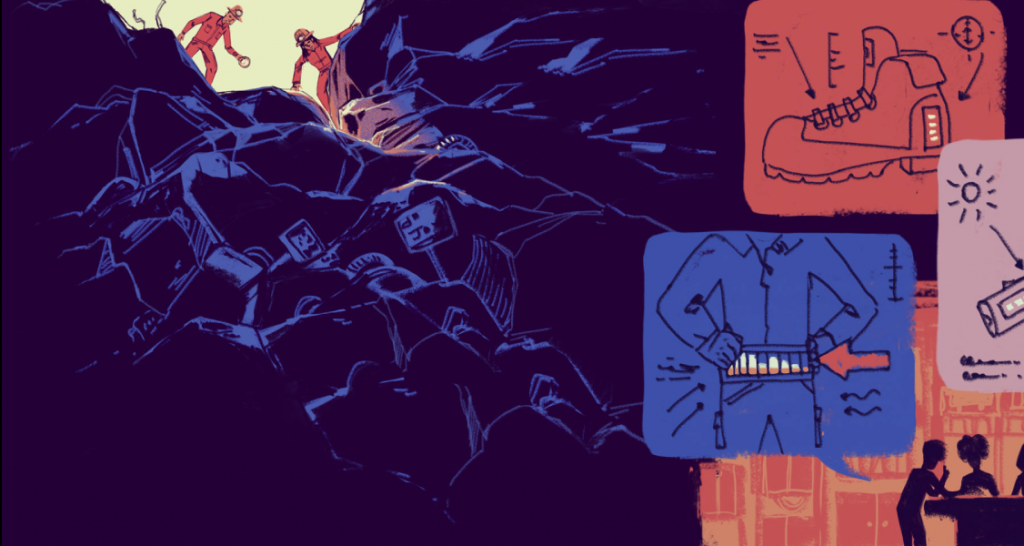
Metabolism Engineering Internship
Domains: Life Science, Engineering Design
Unit type: Engineering internship
Student role: Food engineers
Phenomenon: Designing health bars with different molecular compositions can effectively meet the metabolic needs of patients or rescue workers.
LAUNCH
Harnessing Human Energy
Domains: Physical Science, Earth and Space Science, Engineering Design
Unit type: Launch
Student role: Energy scientists
Phenomenon: Rescue workers can use their own human kinetic energy to power the electrical devices they use during rescue missions.

CODING SCIENCE INTERNSHIP
Coding Science Internship: Coral Restoration (Optional)
Domains: Life Science, Coding Science
Unit type: Coding Science Internship
Student role: Coding science interns
Phenomenon: Implementing a restoration project to improve the health of coral reef populations in Hawaii.

CORE
Ocean, Atmosphere, and Climate
Domains: Earth and Space Science, Physical Science
Unit type: Core
Student role: Climatologists
Phenomenon: During El Niño years, the air temperature in Christchurch, New Zealand is cooler than usual.

CORE
Weather Patterns
Domains: Earth and Space Science, Physical Science
Unit type: Core
Student role: Forensic meteorologists
Phenomenon: In recent years, rainstorms in Galetown have been unusually severe.

CORE
Earth’s Changing Climate
Domains: Earth and Space Science, Life Science
Unit type: Core
Student role: Climatologists
Phenomenon: The ice on Earth’s surface is melting.

ENGINEERING INTERNSHIP
Earth’s Changing Climate Engineering Internship
Domains: Earth and Space Science, Engineering Design
Unit type: Engineering internship
Student role: Civil engineers
Phenomenon: Designing rooftops with different modifications can reduce a city’s impact on climate change.

CORE
Earth, Moon, and Sun
Domains: Earth and Space Science, Physical Science
Unit type: Core
Student role: Astronomers
Phenomenon: An astrophotographer can only take pictures of specific features on the Moon at certain times.

CORE
Chemical Reactions
Domains: Physical Science, Life Science, Earth and Space Science
Unit type: Core
Student role: Forensic chemists
Phenomenon: A mysterious brown substance has been detected in the tap water of Westfield.

CORE
Light Waves
Domains: Physical Science, Life Science, Earth and Space Science
Unit type: Core
Student role: Spectroscopists
Phenomenon: The rate of skin cancer is higher in Australia than in other parts of the world.
CORE
Populations and Resources
Domains: Life Science, Earth and Space Science
Unit type: Core
Student role: Biologists
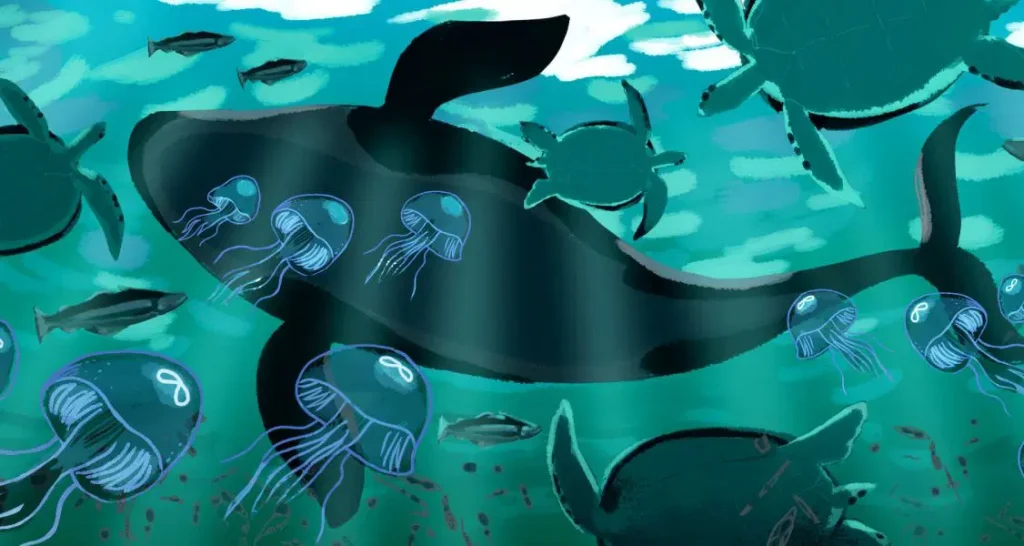
Phenomenon: The size of the moon jelly population in Glacier Sea has increased.
CORE
Matter and Energy in Ecosystems
Domains: Life Science, Earth and Space Science, Physical Science
Unit type: Core
Student role: Ecologists
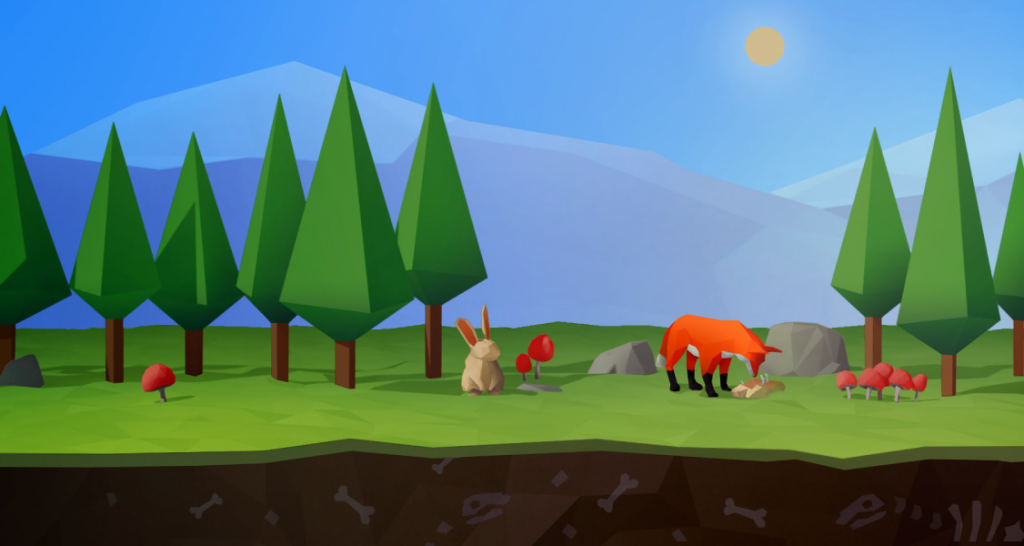
Phenomenon: The biodome ecosystem has collapsed.
CODING SCIENCE INTERNSHIP
Coding Science Internship: Coral Restoration (Optional)
Domains: Life Science, Coding Science
Unit type: Coding Science Internship
Student role: Coding science interns
Phenomenon: Implementing a restoration project to improve the health of coral reef populations in Hawaii.

LAUNCH
Geology on Mars
Domain: Earth and Space Science
Unit type: Launch
Student role: Planetary geologists
Phenomenon: Analyzing data about landforms on Mars can provide evidence that Mars may have once been habitable.
CORE
Plate Motion
Domain: Earth and Space Science
Unit type: Core
Student role: Geologists
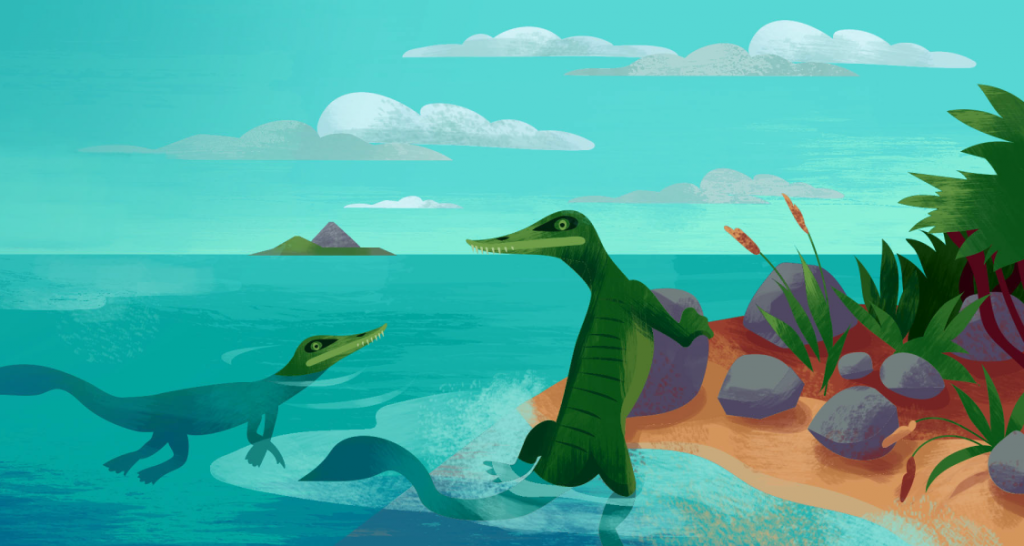
Phenomenon: Mesosaurus fossils have been found on continents separated by thousands of kilometers of ocean, even though the Mesosaurus species once lived all together.

ENGINEERING INTERNSHIP
Plate Motion Engineering Internship
Domains: Earth and Space Science, Engineering Design
Unit type: Engineering internship
Student role: Mechanical engineering interns
Phenomenon: Patterns in earthquake data can be used to design an effective tsunami warning system.

CORE
Force and Motion
Domain: Physical Science
Unit type: Core
Student role: Physicists
Phenomenon: The asteroid sample-collecting pod failed to dock at the space station as planned.

ENGINEERING INTERNSHIP
Force and Motion Engineering Internship
Domains: Engineering Design, Physical Science
Unit type: Engineering internship
Student role: Mechanical engineering interns
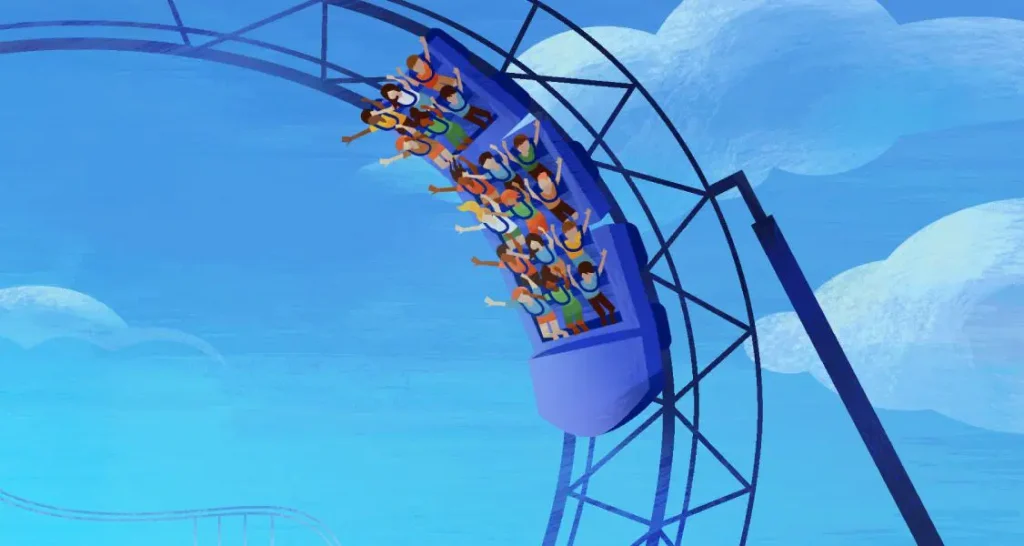
Phenomenon: Designing emergency supply delivery pods with different structures can maintain the integrity of the supply pods and their contents.
CORE
Magnetic Fields
Domain: Physical Science
Unit type: Core
Student role: Physicists
Phenomenon: During a test launch, a spacecraft traveled much faster than expected.

CORE
Traits and Reproduction
Domain: Life Science
Unit type: Core
Student role: Biomedical students
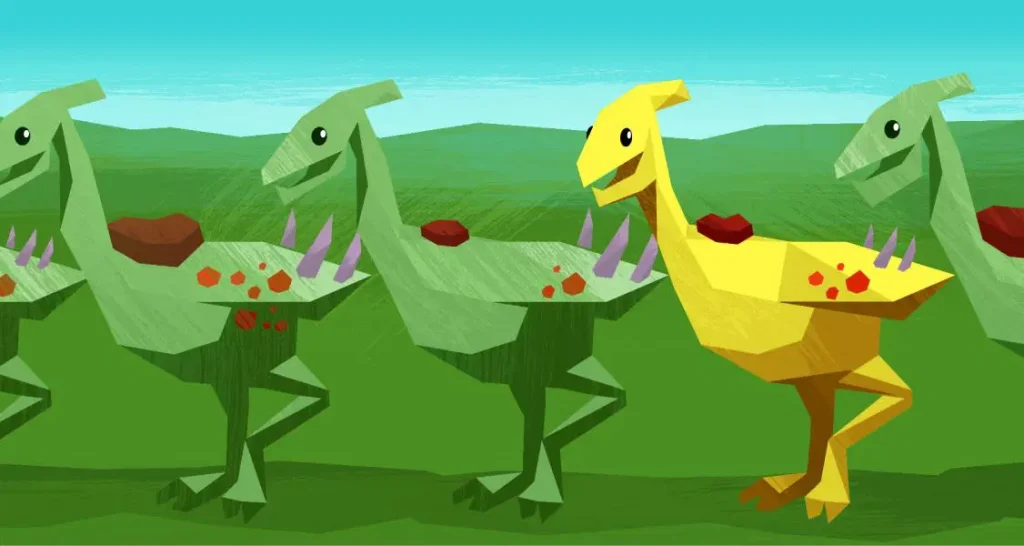
Phenomenon: Darwin’s bark spider offspring have different silk flexibility traits, even though they have the same parents.
CORE
Natural Selection
Domains: Life Science, Earth and Space Science
Unit type: Core
Student role: Biologists
Phenomenon: The newt population in Oregon State Park has become more poisonous over time.

ENGINEERING INTERNSHIP
Natural Selection Engineering Internship
Domains: Life Science, Earth and Space Science
Student role: Clinical engineers
Phenomenon: Designing malaria treatment plans that use different combinations of drugs can reduce drug resistance development while helping malaria patients.
CORE
Rock Transformations (optional)
Domain: Earth and Space Science
Unit type: Core
Student role: Geologists
Phenomenon: Rock samples from the Great Plains and from the Rocky Mountains — regions hundreds of miles apart — look very different, but have surprisingly similar mineral compositions.

CORE
Evolutionary History
Domains: Life Science, Earth and Space Science
Unit type: Core
Student role: Paleontologists
Phenomenon: A mystery fossil at the Natural History Museum has similarities with both wolves and whales.
CODING SCIENCE INTERNSHIP
Coding Science Internship: Coral Restoration (Optional)
Domains: Life Science, Coding Science
Unit type: Coding Science Internship
Student role: Coding science interns
Phenomenon: Implementing a restoration project to improve the health of coral reef populations in Hawaii.
Resources to support your review
Select a topic below to explore helpful resources with more information about Amplify Science, the program’s development, and pedagogy.



[Video] Planning in action (K–5)
Watch how easy it is for Amplify Science teachers to prep their 3-D instruction.
[Video] Planning in action (6–8)
Watch how easy it is for Amplify Science teachers to prep their 3-D instruction.


[Video] Simulations and modeling tools (K–5)
Watch how students investigate phenomena with the help of digital tools.

[Video] Simulations and modeling tools (6–8)
Watch how students investigate phenomena with the help of digital tools.

Summary of Investigations (K–5) coming soon
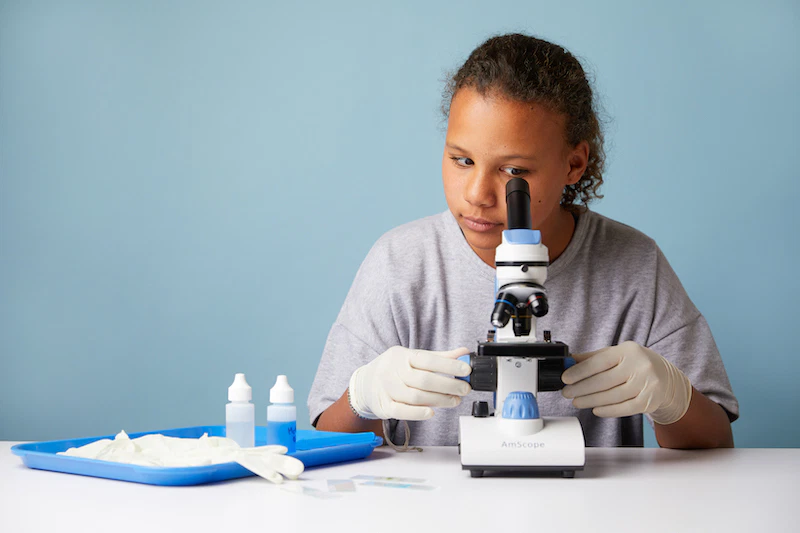
Explore the types of investigations that students conduct.
Summary of Investigations (6–8) coming soon
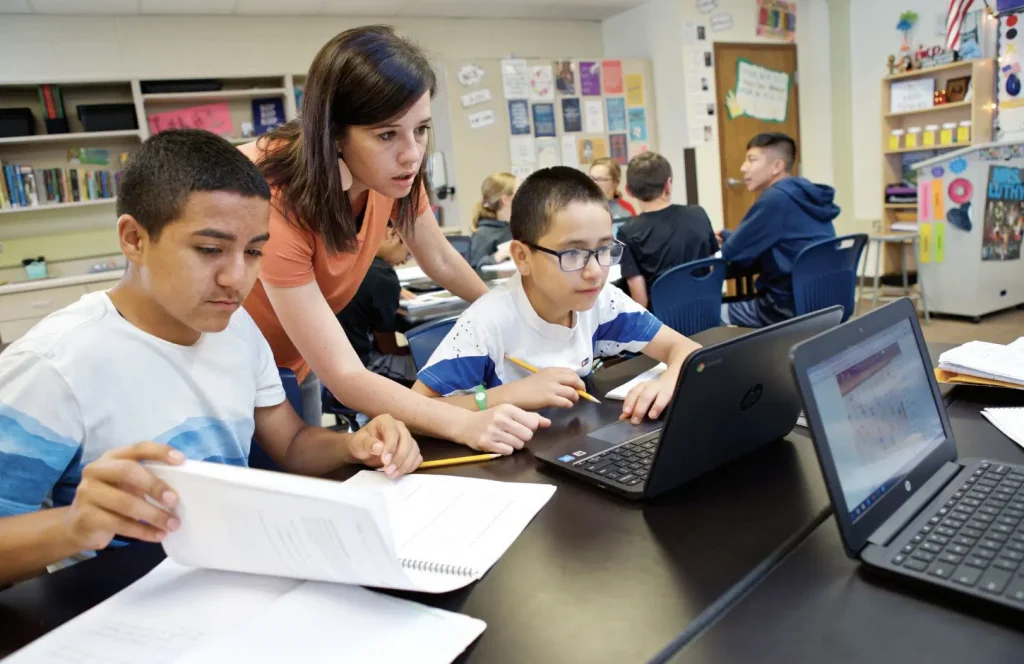
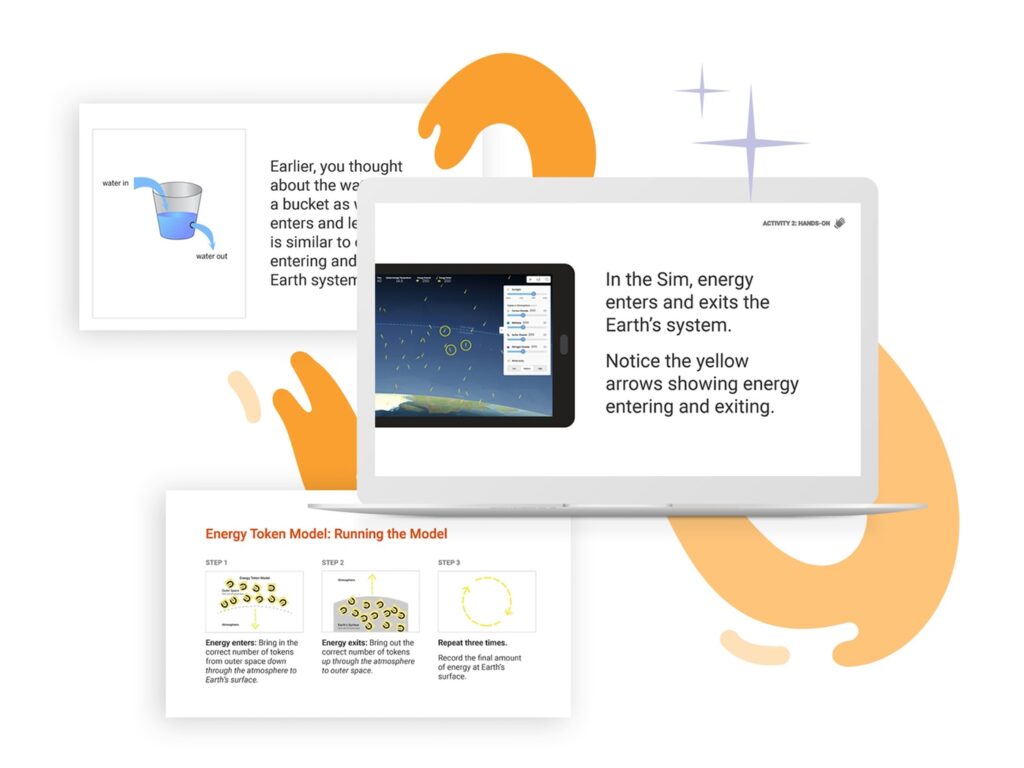
Explore the types of investigations that students conduct.



Remote and hybrid learning guide
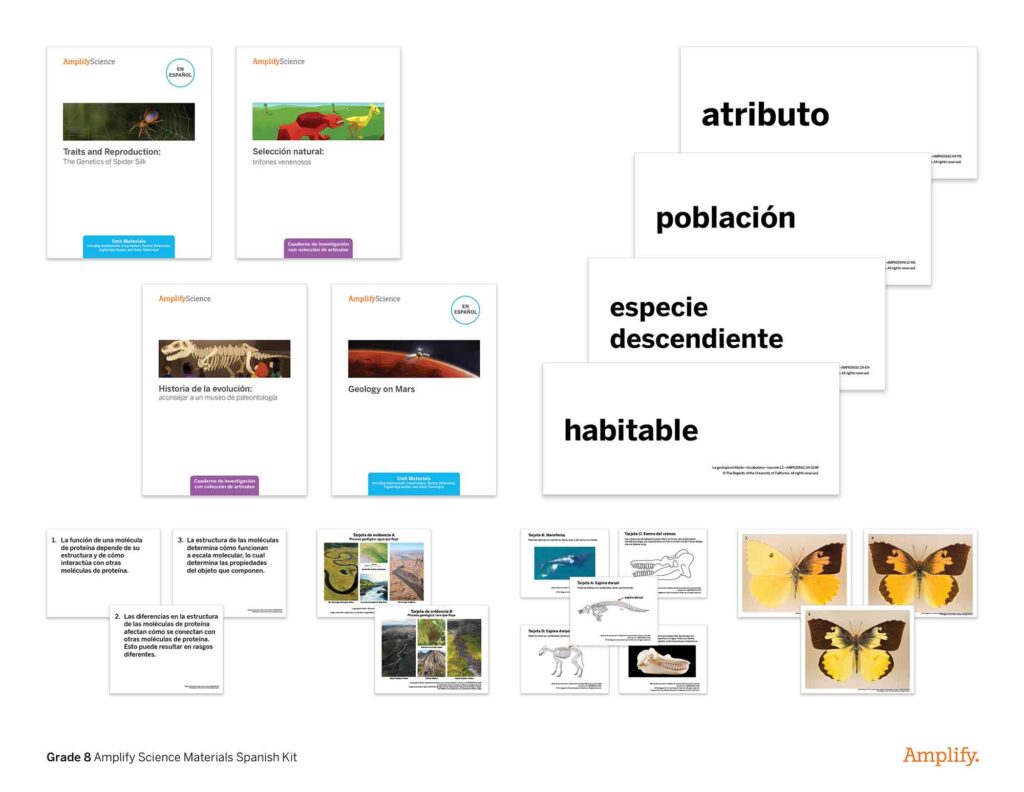
Amplify is here to help! Amplify Science will soon feature product enhancements and new resources that will help manage the new landscape of back-to-school 2020.

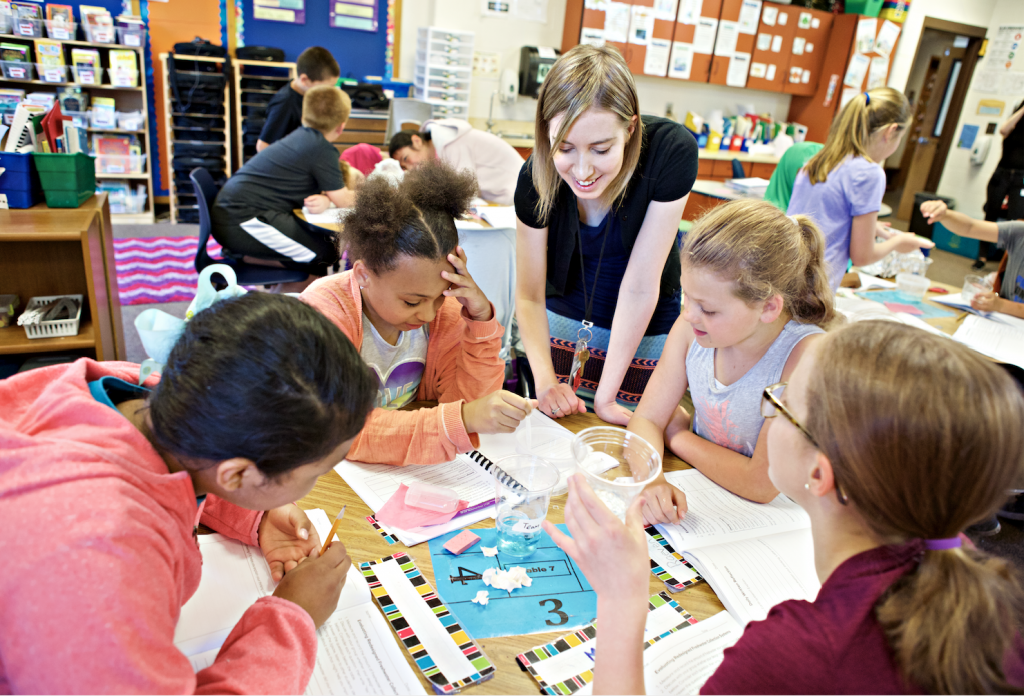

Students ready for more
Learn how we make learning more rigorous for students ready for a challenge.


NGSS Benchmark assessments
Learn more about the Next Generation Science Standards Benchmark assessments created by Amplify.


Ready to explore with digital access and physical samples?
Start your digital review and request physical samples with these three easy steps.
- Note these Ohio specific login credentials for your digital access.
Username: t.ohscience@tryamplify.net
Password: AmplifyNumber1 - Click Review now.
- Complete the form and select Log in with Amplify to input the Ohio specific login.

Contact an Amplify representative
For any questions, fill out the form to the right and a member of our sales team will reach out to you soon.
Katie Cannon
Senior Account Executive
Casie Rayes
Account executive
Matt Paupore
Senior Account Executive
Welcome, Nebraska educators!
Designed from the ground up for the NGSS to teach students to think, read, write, and argue like real scientists and engineers, Amplify Science combines literacy-rich activities with hands-on learning and digital tools to engage students in exploring compelling phenomena in every unit.
Overview
Developed by UC Berkeley’s Lawrence Hall of Science, our program features:
- A phenomena-based approach where students construct a more complex understanding of each unit’s anchor phenomenon.
- A blend of cohesive storylines, hands-on investigations, rich discussions, literacy-rich activities, and digital tools.
- Newly crafted units, chapters, lessons, and activities designed to deliver true 3-dimensional learning.
- An instructional design that supports all learners in accessing all standards.
Hear what these educators have to say about the program. >
Explore your grade level
Get started by watching this class share what they’re figuring out with Amplify Science. >
Then select your grade level below to learn more about how we make this type of rich learning accessible to all students at every grade.
Elementary school
When you’re ready:
- Find a summary of each unit below including each unit’s student role and anchor phenomenon.
- Download some helpful resources to support your review.
- Explore the digital Teacher’s Guide by clicking the orange “Review now” button.

Unit 1
Needs of Plants and Animals
Student role: Scientists
Phenomenon: There are no monarch caterpillars in the Mariposa Grove community garden ever since vegetables were planted.
Unit 2
Pushes and Pulls
Student role: Pinball engineers
Phenomenon: Pinball machines allow people to control the direction and strength of forces on a ball.
Unit 3
Sunlight and Weather
Student role: Weather scientists
Phenomenon: Students at one school are too cold during morning recess, while students at another are too hot during afternoon recess.
Unit 1
Animal and Plant Defenses
Student role: Marine scientists
Phenomenon: Spruce the Sea Turtle will soon be released back into the ocean, where she will survive despite predators.
Unit 2
Light and Sound
Student role: Light and sound engineers
Phenomenon: A puppet show company uses light and sound to depict realistic scenes in puppet shows.
Unit 3
Spinning Earth
Student role: Sky scientists
Phenomenon: The sky looks different to Sai and his grandma when they talk on the phone at night.
Unit 1
Plant and Animal Relationships
Student role: Plant scientists
Phenomenon: No new chalta trees are growing in the fictional Bengal Tiger Reserve in India.
Unit 2
Properties of Materials
Student role: Glue engineers
Phenomenon: Different glue recipes result in glues that have different properties.
Unit 3
Changing Landforms
Student role: Geologists
Phenomenon: The cliff on which Oceanside Recreation Center is situated appears to be receding.
Unit 1
Balancing Forces
Student role: Engineers
Phenomenon: The fictional town of Faraday is getting a new train. Unlike typical trains, this one floats, which is causing some concern among the town’s citizens.
Unit 2
Inheritance and Traits
Student role: Wildlife biologists
Phenomenon: An adopted wolf in Graystone National Park has some traits in common with one wolf pack in the park and other traits in common with a different pack.
Unit 3
Environments and Survival
Student role: Biomimicry engineers
Phenomenon: Over 10 years, a population of grove snails has changed. Populations with yellow shells have decreased, while those with banded shells have increased.
Unit 4
Weather and Climate
Student role: Meteorologists
Phenomenon: Three different islands, each a contender for becoming an orangutan reserve, experience different weather patterns.
Unit 1
Energy Conversions
Student role: System engineers
Phenomenon: The fictional town of Ergstown experiences frequent blackouts. Their electrical system seems to be failing.
Unit 2
Vision and Light
Student role: Conservation biologists
Phenomenon: The population of Tokay geckos in a rain forest in the Philippines has decreased since the installation of new highway lights.
Unit 3
Earth’s Features
Student role: Geologists
Phenomenon: A mysterious fossil is discovered in a canyon within the fictional Desert Rocks National Park.
Unit 4
Waves, Energy, and Information
Student role: Marine scientists
Phenomenon: Mother dolphins in the fictional Blue Bay National Park communicate with their calves despite the distance between them.
Unit 1
Patterns of Earth and Sky
Student role: Astronomers
Phenomenon: An ancient artifact depicts what we see in the sky at different times of the day, but it appears to be missing a piece.

Unit 2
Modeling Matter
Student role: Food scientists
Phenomenon: Some ingredients dissolve in a salad dressing while others, like oil and vinegar, appear to separate

Unit 3
The Earth System
Student role: Water resource engineers
Phenomenon: East Ferris, a city on one side of the fictional Ferris Island, is experiencing a water shortage, while West Ferris is not.
Unit 4
Ecosystem Restoration
Student role: Ecologists
Phenomenon: The jaguars, sloths, and cecropia trees in a reforested section of a Costa Rican rain forest are not growing or thriving.
Middle school
When you’re ready:
- Find a summary of each unit below including each unit’s student role and anchor phenomenon.
- Download some helpful resources to support your review.
- Explore the digital Teacher’s Guide by clicking the orange “Review now” button.

LAUNCH
Microbiome
Domain: Life Science
Unit type: Launch
Student role: Microbiological researchers
Phenomenon: The presence of 100 trillion microorganisms living on and in the human body may keep the body healthy.
CORE
Metabolism
Domain: Life Science
Unit type: Core
Student role: Medical researchers
Phenomenon: Elisa, a young patient, feels tired all the time.
ENGINEERING INTERNSHIP
Metabolism Engineering Internship
Domains: Life Science, Engineering Design
Unit type: Engineering internship
Student role: Food engineers
Phenomenon: Designing health bars with different molecular compositions can effectively meet the metabolic needs of patients or rescue workers.
CORE
Traits and Reproduction
Domain: Life Science
Unit type: Core
Student role: Biomedical students
Phenomenon: Darwin’s bark spider offspring have different silk flexibility traits, even though they have the same parents.
CORE
Thermal Energy
Domain: Physical Science
Unit type: Core
Student role: Thermal scientists
Phenomenon: One of two proposed heating systems for Riverdale School will best heat the school.
CORE
Ocean, Atmosphere, and Climate
Domains: Earth and Space Science, Physical Science
Unit type: Core
Student role: Climatologists
Phenomenon: During El Niño years, the air temperature in Christchurch, New Zealand is cooler than usual.
CORE
Weather Patterns
Domains: Earth and Space Science, Physical Science
Unit type: Core
Student role: Forensic meteorologists
Phenomenon: In recent years, rainstorms in Galetown have been unusually severe.
CORE
Earth’s Changing Climate
Domains: Earth and Space Science, Life Science
Unit type: Core
Student role: Climatologists
Phenomenon: The ice on Earth’s surface is melting.
Engineering Internship
Earth’s Changing Climate Engineering Internship
Domains: Earth and Space Science, Engineering Design
Unit type: Engineering internship
Student role: Civil engineers
Phenomenon: Designing rooftops with different modifications can reduce a city’s impact on climate change.
LAUNCH
Geology on Mars
Domain: Earth and Space Science
Unit type: Launch
Student role: Planetary geologists
Phenomenon: Analyzing data about landforms on Mars can provide evidence that Mars may have once been habitable.
CORE
Plate Motion
Domain: Earth and Space Science
Unit type: Core
Student role: Geologists
Phenomenon: Mesosaurus fossils have been found on continents separated by thousands of kilometers of ocean, even though the Mesosaurus species once lived all together.
ENGINEERING INTERNSHIP
Plate Motion Engineering Internship
Domains: Earth and Space Science, Engineering Design
Unit type: Engineering internship
Student role: Mechanical engineering interns
Phenomenon: Patterns in earthquake data can be used to design an effective tsunami warning system.
CORE
Rock Transformations
Domain: Earth and Space Science
Unit type: Core
Student role: Geologists
Phenomenon: Rock samples from the Great Plains and from the Rocky Mountains — regions hundreds of miles apart — look very different, but have surprisingly similar mineral compositions.
CORE
Phase Change
Domains: Physical Science, Earth and Space Science
Unit type: Core
Student role: Chemists
Phenomenon: A methane lake on Titan no longer appears in images taken by a space probe two years apart.
ENGINEERING INTERNSHIP
Phase Change Engineering Internship
Domains: Engineering Design, Physical Science
Unit type: Engineering internship
Student role: Chemical engineering interns
Phenomenon: Designing portable baby incubators with different combinations of phase change materials can keep babies at a healthy temperature.
CORE
Chemical Reactions
Domains: Physical Science, Life Science, Earth and Space Science
Unit type: Core
Student role: Forensic chemists
Phenomenon: A mysterious brown substance has been detected in the tap water of Westfield.
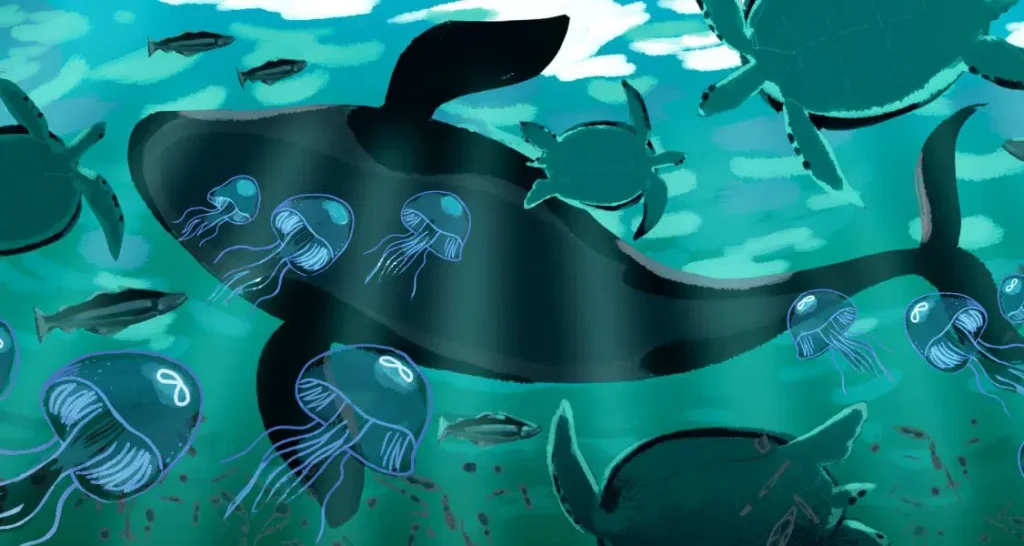
CORE
Populations and Resources
Domains: Life Science, Earth and Space Science
Unit type: Core
Student role: Biologists
Phenomenon: The size of the moon jelly population in Glacier Sea has increased.
CORE
Matter and Energy in Ecosystems
Domains: Life Science, Earth and Space Science, Physical Science
Unit type: Core
Student role: Ecologists
Phenomenon: The biodome ecosystem has collapsed.
LAUNCH
Harnessing Human Energy
Domains: Physical Science, Earth and Space Science, Engineering Design
Unit type: Launch
Student role: Energy scientists
Phenomenon: Rescue workers can use their own human kinetic energy to power the electrical devices they use during rescue missions.

CORE
Force and Motion
Domain: Physical Science
Unit type: Core
Student role: Physicists
Phenomenon: The asteroid sample-collecting pod failed to dock at the space station as planned.
ENGINEERING INTERNSHIP
Force and Motion Engineering Internship
Domains: Engineering Design, Physical Science
Unit type: Engineering internship
Student role: Mechanical engineering interns
Phenomenon: Designing emergency supply delivery pods with different structures can maintain the integrity of the supply pods and their contents.
CORE
Magnetic Fields
Domain: Physical Science
Unit type: Core
Student role: Physicists
Phenomenon: During a test launch, a spacecraft traveled much faster than expected.

CORE
Light Waves
Domains: Physical Science, Life Science, Earth and Space Science
Unit type: Core
Student role: Spectroscopists
Phenomenon: The rate of skin cancer is higher in Australia than in other parts of the world.
CORE
Earth, Moon, and Sun
Domains: Earth and Space Science, Physical Science
Unit type: Core
Student role: Astronomers
Phenomenon: An astrophotographer can only take pictures of specific features on the Moon at certain times.
CORE
Natural Selection
Domains: Life Science, Earth and Space Science
Unit type: Core
Student role: Biologists
Phenomenon: The newt population in Oregon State Park has become more poisonous over time.
ENGINEERING INTERNSHIP
Natural Selection Engineering Internship
Domains: Engineering Design, Life Science
Unit type: Engineering internship
Student role: Clinical engineers
Phenomenon: Designing malaria treatment plans that use different combinations of drugs can reduce drug resistance development while helping malaria patients.
CORE
Evolutionary History
Domains: Life Science, Earth and Space Science
Unit type: Core
Student role: Paleontologists
Phenomenon: A mystery fossil at the Natural History Museum has similarities with both wolves and whales.
Resources to support your review
Select a topic below to explore helpful resources with more information about Amplify Science, the program’s development, and pedagogy.
[Video] Planning in action (K–5)
Watch how easy it is for Amplify Science teachers to prep their 3-D instruction.
[Video] Planning in action (6–8)
Watch how easy it is for Amplify Science teachers to prep their 3-D instruction.
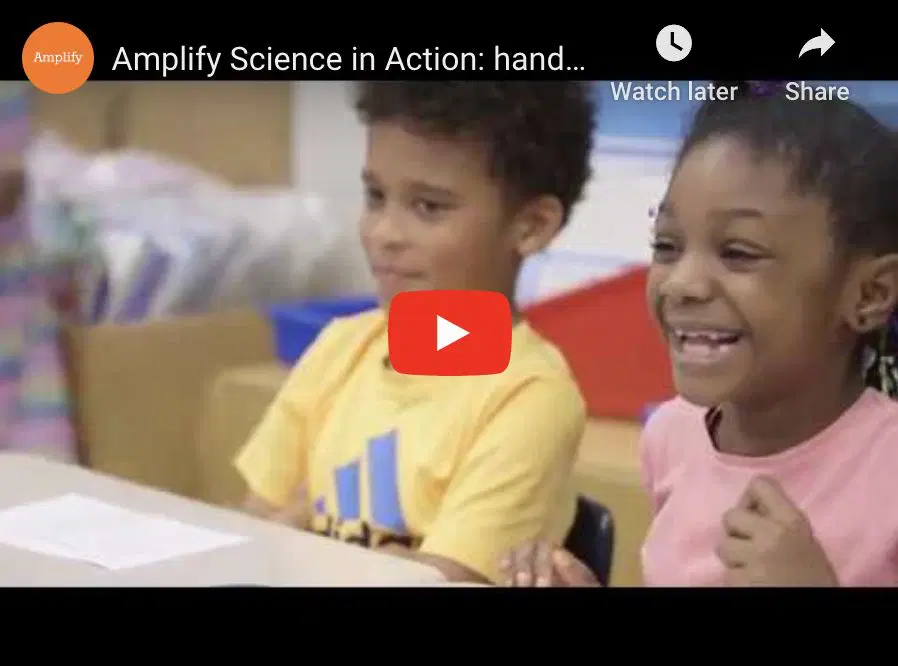


[Video] Simulations and modeling tools (K–5)
Watch how students investigate phenomena with the help of digital tools.
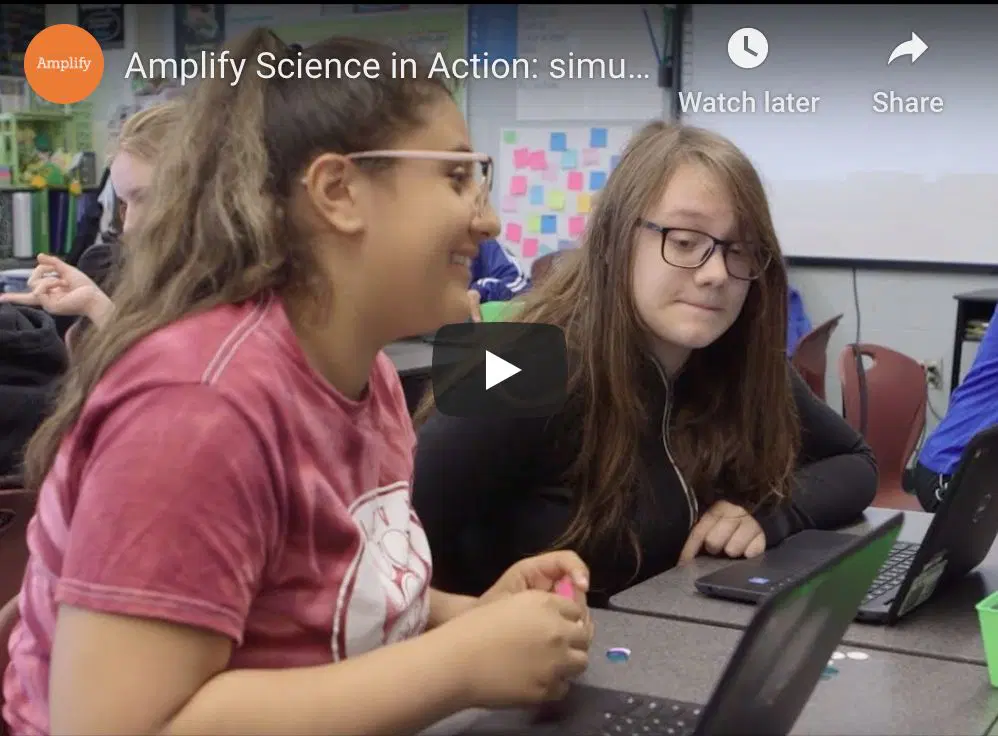
[Video] Simulations and modeling tools (6–8)
Watch how students investigate phenomena with the help of digital tools.

Students ready for more
Learn how we make learning more rigorous for students ready for a challenge.
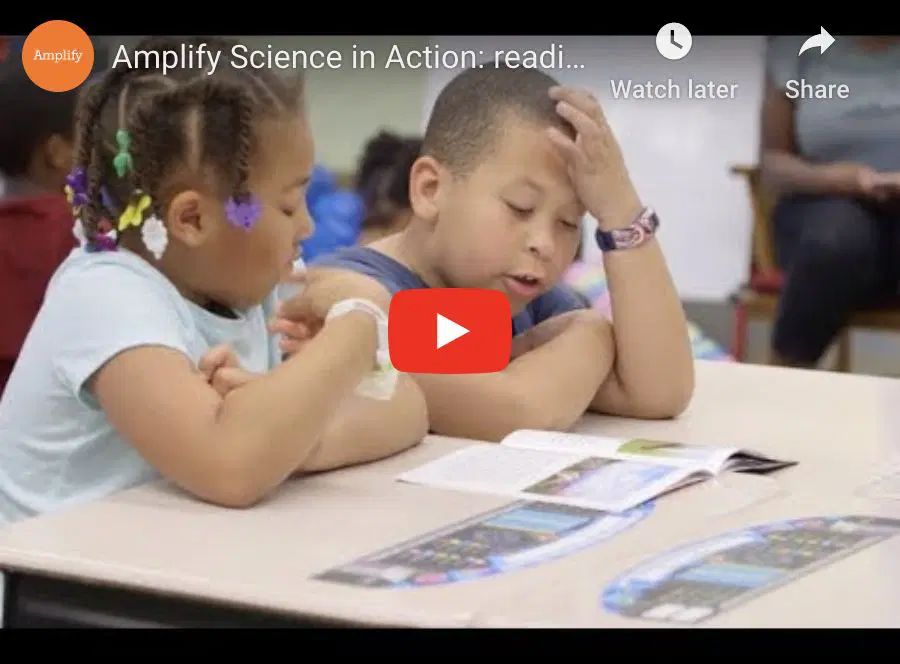
[Video] Literacy in action (K–5)
Watch students use scientific text to obtain information and practice reading skills, while using writing prompts to create arguments using evidence

[Video] Literacy in action (6–8)
Watch students use scientific text to obtain information and practice reading skills, while using writing prompts to create arguments using evidence.
Literacy-rich science instruction (K–5)
Immersing young students in reading, writing, and arguing like real scientists and engineers.

NGSS Benchmark assessments
Learn more about the Next Generation Science Standards Benchmark assessments created by Amplify.

Remote and hybrid learning guide
Amplify is here to help! Amplify Science will soon feature product enhancements and new resources that will help manage the new landscape of back-to-school 2020.
Ready to start exploring with digital access?
Contact an Amplify representative
Laina Armbruster
larmbruster@amplify.com
(602) 791-4135
Bob McCarty
rmccarty@amplify.com
(435) 655-1731
Kristin McDonald
kmcdonald@amplify.com
(515) 240-0244